
Duder Regional Park: Coastal Peninsula Walks, Views, and History Near Auckland
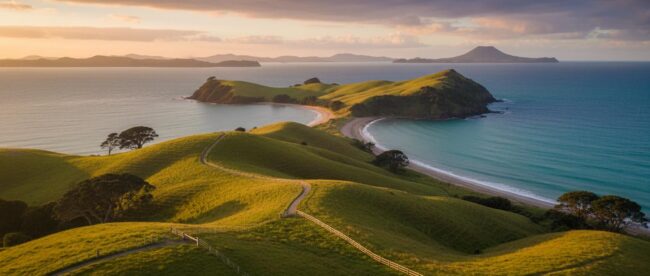
Duder Regional Park is the kind of place that makes you slow down. The farm gates, the ridgelines, the sparkle of Tikapa Moana/Firth of Thames—everything opens up the moment you step onto the Whakakaiwhara Peninsula. If you want big views, quiet tracks, and a genuine slice of rural Auckland without a long drive, this park delivers.
In this guide you’ll learn what Duder Regional Park is, how the park works as a protected farm landscape, the best walks and beaches to try, when to go, what to bring, and how it compares with other Auckland regional parks. There’s also a quick planning checklist and answers to the questions locals ask most.
What is
Duder Regional Park is a coastal farm park on the Whakakaiwhara Peninsula, east of Auckland near Umupuia and Clevedon. The peninsula pushes into the Hauraki Gulf/Tikapa Moana, with Ponui Island and Waiheke Island on the horizon. It’s a working landscape with open paddocks, native pockets of coastal forest and wetlands, and some of the best headland viewpoints in the region.
The land carries deep history. Ngāi Tai ki Tāmaki are mana whenua here, with visible archaeological sites such as pā earthworks and kūmara pits along the ridges. The Duder family farmed the peninsula for generations, and the regional park was created in the 1990s so the public could enjoy the coast while the farm character was retained.
Expect sweeping clifftop tracks, a quiet sandy bay for swimming, birdlife, and a strong sense of place. The name to remember is the main feature: the Whakakaiwhara headland at the tip—walk there for the full “wow”.
How it works
Duder Regional Park is managed by Auckland Council as both a recreation area and a working farm. You’ll share the space with sheep and cattle, and most tracks cross grazed paddocks. This setup keeps the land open and scenic, but it comes with a few simple rules.
- Stick to marked tracks and respect temporary closures during lambing/calving seasons.
- Leave gates as you find them; use stiles where provided.
- Dogs are not permitted at Duder Regional Park (service dogs excepted).
- No camping or open fires. Pack in and pack out—there are no rubbish bins.
- Toilets are at the main car park. Bring your own drinking water; there are no taps on the tracks.
- Parking is free. The park is best visited during daylight hours.
- Public transport is limited; most visitors drive via Umupuia/Clevedon. Access is signposted off North Road at Umupuia.
Weather shapes your day here. The peninsula is exposed, so wind can be brisk on the ridges while the bays stay calm. In summer, the open paddocks mean strong sun—bring a hat and sunscreen. After rain, clay sections get slick; good footwear matters.
Types / examples
You can visit Duder Regional Park for a short wander, a half-day loop to the point, a family picnic by the water, or a longer run over rolling farm hills. Here are the most popular options.
Whakakaiwhara Peninsula Loop (signature walk)
- Allow 2–3 hours for a relaxed circuit with stops at lookouts.
- Route: Car park to ridgeline, out to Whakakaiwhara Point, return via coastal or inland farm tracks.
- Highlights: 360-degree views to Waiheke and Ponui, pā sites, coastal cliffs, skylarks and shorebirds.
- Notes: Exposed to sun and wind; several stiles; livestock present year-round.
Short Ridge and Lookout Stroll
- Allow 40–60 minutes return.
- Great if you want the views without the full loop. Walk up from the car park to the first high point and back.
- Ideal for sunset or a post-lunch leg-stretcher.
Sandy Bay Swim and Picnic
- Allow 1.5–2 hours including a swim.
- Drop from the ridge to a sheltered sandy beach (often called Sandy Bay) for a quiet dip.
- Best at mid to high tide. No lifeguards; check conditions before swimming.
Trail Run Circuit
- Allow 60–90 minutes for a steady run looping the ridges and coastal sections.
- Rolling hills build leg strength; views make the work worthwhile.
- After rain, expect slippery clay—use shoes with grip.
Birdwatching and Photography
- Look for New Zealand dotterels/tūturiwhatu on sandy stretches and variable oystercatchers on rocky shores.
- Golden light on the peninsula is superb around sunrise and late afternoon.
- Bring a zoom lens; keep well clear of nesting birds.
How it compares with other east-coast regional parks
| Park | Drive time from CBD (approx.) | Signature walk | Swimming beach | Camping | Dog policy | Unique feature |
|---|---|---|---|---|---|---|
| Duder Regional Park | 50–60 min | Whakakaiwhara Peninsula Loop | Sandy Bay (quiet, no lifeguards) | No public camping | Dogs not permitted | Working farm on a narrow headland with pā sites |
| Wenderholm Regional Park | 45–55 min | Perimeter/Hukunui tracks | Waiwera Estuary and Pūhoi River access | Yes (Schischka Campground) | Dogs generally not allowed in core areas | Historic homestead and estuary birdlife |
| Shakespear Regional Park | 50–70 min | Tiri, Heritage, Lookout tracks | Te Haruhi Bay (wide sandy beach) | Yes (seasonal campground) | Dogs not permitted (open sanctuary) | Pest-free wildlife sanctuary behind a fence |
Pros and cons
Why locals love Duder Regional Park
- Big views fast: climb one ridge and the Hauraki Gulf opens up.
- Less crowded than the better-known parks, especially on weekdays.
- A real farm-park feel—expansive paddocks, bird calls, salty air.
- Cultural history visible in the landscape, not just on signs.
Things to keep in mind
- Very limited shade; summer heat bites on the ridges.
- Exposed to wind; check the forecast, especially for a long loop.
- No shops or water on site; come prepared.
- No dogs and no camping—plan accordingly.
- Tracks can be closed or diverted during lambing; obey signs.
How to use or choose
Plan your visit in 7 quick steps
- Pick your day: clear, light-wind days are best for ridgeline views.
- Choose your route: short lookout stroll, full peninsula loop, or beach detour.
- Pack smart: water, hat, sunscreen, snacks, and sturdy shoes.
- Navigate to the car park: drive via Umupuia (access off North Road).
- Check the noticeboard: note any farm closures or track diversions.
- Walk the marked track: use stiles, avoid disturbing stock, and respect pā sites.
- Leave no trace: take all rubbish with you and keep to formed routes.
Who will love Duder Regional Park
- Walkers and runners chasing coastal views without a ferry ride.
- Families wanting a quiet picnic and a swim away from busy city beaches.
- Photographers after golden-hour headland shots.
- History buffs interested in visible Māori earthworks and coastal settlement sites.
When to go
- Autumn and winter: crisp air and long-range views; carry a warm layer.
- Spring: lambs in paddocks (give them space); some track restrictions can apply.
- Summer: start early or aim for late afternoon to dodge heat; bring plenty of water.
Safety and etiquette
- Stay clear of cliff edges and unstable ground.
- Keep off archaeological earthworks; view from a respectful distance.
- If you launch a kayak from Umupuia Beach, check tides and wind before crossing exposed water.
- Fishing is allowed from the shore; follow size and bag limits.
FAQ
Where is Duder Regional Park?
The park sits on the Whakakaiwhara Peninsula near Umupuia and Clevedon, southeast of Auckland. Access is signposted from Umupuia via North Road.
How long is the main walk at Duder Regional Park?
Allow 2–3 hours for the full peninsula loop to Whakakaiwhara Point and back. Shorter out-and-back options to the first ridge lookout take under an hour.
Are dogs allowed at Duder Regional Park?
No. Dogs are not permitted at Duder Regional Park due to livestock and sensitive wildlife habitats. Registered service dogs are exempt.
Can I camp at Duder Regional Park?
No. There is no public camping at Duder Regional Park. Nearby regional parks like Wenderholm and Shakespear offer bookable campgrounds.
Is the park suitable for prams or mobility scooters?
Not really. Tracks include stiles, uneven farm ground, and hill climbs. A short, smooth path from the car park offers a brief view, but most routes are rough underfoot.
What facilities are at the park?
There are toilets at the main car park and information boards with maps. There are no drinking-water taps or rubbish bins. Mobile coverage is usually good on ridges.
What should I bring?
Water, sun protection, snacks, grippy footwear, and a windproof layer. In winter, a warm hat and a change of socks help. A basic first aid kit is smart for families.
Are drones allowed?
Not without prior approval. Drone use in Auckland’s regional parks generally requires permission from Auckland Council and compliance with CAA rules.
Can I collect shellfish at Umupuia near Duder Regional Park?
Umupuia has had rāhui and official closures to protect shellfish stocks. Always check the latest Fisheries New Zealand notices before collecting. When closed, do not take any shellfish.
When is the best time to visit Duder Regional Park?
Clear, calm days for views. Early mornings or late afternoons in summer for cooler temps and great light. Weekdays are quieter than sunny weekend middays.
Is swimming safe at Sandy Bay?
It’s a quiet, unpatrolled bay. Check the wind and tide, enter with care, and avoid jumping from rocks. Always supervise children closely.
Can I bike at Duder Regional Park?
Cycling is not allowed on most walking tracks due to farm terrain and pedestrian safety. If in doubt, follow onsite signs—this is primarily a walking park.
Do I need a map?
Tracks are marked, but a photo of the entrance map or a saved offline map is handy. Fog and squalls can reduce visibility on the ridges.
Final tips for a great day at Duder Regional Park
Arrive with full water bottles and a simple plan. Walk the ridge first for the views, then drop to the bay if the wind is up. Give livestock a wide berth, admire the pā earthworks without climbing on them, and linger a moment at the point. On a good day, you can see half the Hauraki Gulf from one fence line. That’s the magic of Duder Regional Park—close to the city, yet wonderfully wide open.