
Pibble in New Zealand: Meaning, Rules, and Real-World Advice for Kiwi Dog Lovers
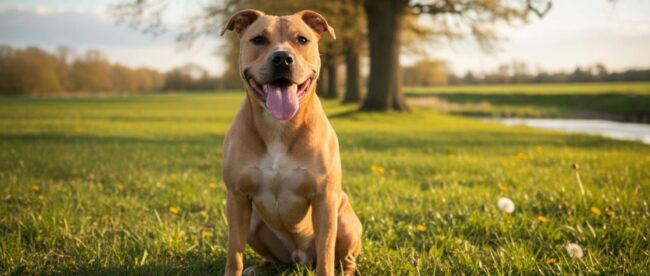
You’ll hear the word pibble at dog parks, in rescue listings, and in online debates. It’s a friendly nickname that people use for pit bull–type dogs—often to remind us there’s a soft, goofy companion behind the headlines. In Aotearoa New Zealand, the term also bumps into real rules about breed types, muzzling, and council bylaws. This guide explains what a pibble is (and isn’t), how behaviour and management actually work, the different types you’ll see, the pros and cons, and how to choose and care for a pibble under New Zealand law.
What is
A pibble is not a registered breed. It’s a casual term for dogs commonly described as pit bull–type—often including the American Pit Bull Terrier (APBT), American Staffordshire Terrier (AmStaff), and crosses that look similar. People use pibble to push back on stigma and highlight the affectionate, people-oriented side of these dogs.
- Not a breed standard: There’s no official “pibble” registry.
- Looks can mislead: Many mixed-breed dogs are called pibble based on head shape or build.
- Positive nickname: Owners use it the way others say “floof” or “woofer.”
New Zealand context matters. Under the Dog Control Act 1996 and related regulations, councils may classify “pit bull–type” dogs as menacing based on breed or appearance. Importing specific breeds (including the American Pit Bull Terrier, Dogo Argentino, Japanese Tosa, Fila Brasileiro, and Perro de Presa Canario) is prohibited. A Staffordshire Bull Terrier (often called a Staffy) is a different breed and not banned, but visual mix-ups happen.
How it works
Temperament and behaviour
With pibble dogs, nature and nurture both count. Genetics set a temperament range; socialisation and training decide where your dog lands inside it.
- Early life: Calm exposure to people, dogs, sounds, and places between 8–16 weeks builds resilience.
- Training style: Reward-based training (clickers, treats, toys) teaches fast and strengthens trust.
- Management: Good fencing, supervised play, and structured outlets for energy prevent trouble.
- Individual variation: Some pibble mixes are couch potatoes; others are spring-loaded athletes.
Most pibble owners describe a dog that craves human company, learns quickly, and loves games. Strength and enthusiasm are part of the package, so manners and impulse control matter a lot.
Ownership and rules in New Zealand
Dog laws are local. The national framework sits with the Dog Control Act 1996; your council sets and enforces bylaws. For pit bull–type dogs, the big points are:
- Menacing classification: Councils may classify by breed or type. Menacing dogs must be muzzled in public and may be required to be desexed.
- Dangerous classification: Applied after serious incidents; brings stricter controls (e.g., special enclosures, higher fees).
- Microchipping: Most dogs in NZ must be microchipped; registration with your local council is annual.
- Import ban: Specific listed breeds cannot be imported into New Zealand.
Because appearance-based identification can be unreliable, different councils can reach different decisions about the same pibble mix. If your dog might be considered pit bull–type, talk to your council before you adopt, and keep paperwork from your vet or rescue.
Types / examples
When people in NZ say pibble, they might mean one of several types or a cross:
- American Pit Bull Terrier (APBT): Medium, athletic, traditionally terrier-bull ancestry.
- American Staffordshire Terrier (AmStaff): Similar look; recognised by various kennel clubs overseas.
- American Bully: Stockier companion breed developed from pit bull–type lines; comes in sizes from Pocket to XL.
- Mixed breeds: Common in rescues; may include Staffy, Boxer, Mastiff, or heading-dog lines.
- Staffordshire Bull Terrier (Staffy): Distinct, smaller breed; often mistaken for pit bull–type by looks alone.
Labels aren’t everything. What matters for daily life is your individual dog’s health, temperament, energy, and the legal status your council assigns.
| Type (common NZ usage) | Typical size | Legal status in NZ | Muzzle in public | Exercise need | Notes |
|---|---|---|---|---|---|
| Pit bull–type (pibble) | 20–35 kg, medium–large | May be classified as menacing by breed/type; import of APBT banned | Required if classified menacing | High: 60–90 min daily, plus mental work | Strong, people-focused; visual ID varies by council |
| Staffordshire Bull Terrier | 11–17 kg, medium-small | Not on the banned list; normal rules apply | No (unless individually classified) | Moderate–high: 45–60 min | Often confused with pibble mixes |
| American Bully | Varies: 15–45+ kg | Not specifically named in law; appearance could trigger “type” assessment | Only if classified | Moderate–high | Companion-focused; stocky build |
Pros and cons
- Pros
- Affectionate companions that bond closely with people.
- Trainable and food- or toy-motivated, which helps with obedience.
- Athletic enough for hikes, canicross, and scent games.
- Typically low grooming needs; short coats are easy care.
- Cons
- Strength and enthusiasm need consistent training and management.
- Potential council restrictions (muzzling, desexing) if classed as menacing.
- Landlords, insurers, or dog daycare may impose breed-type limits.
- Public perception can be challenging; you’ll do extra work to be a good ambassador.
How to use or choose
Step-by-step: Choosing or adopting a pibble in NZ
- Check local rules: Read your council’s dog bylaws and policies on menacing classifications.
- Talk to your landlord or body corporate: Get written approval if you rent or live in a unit.
- Decide rescue vs breeder: In NZ, many pibble-type dogs arrive via rescue. If you want a specific registered breed (e.g., Staffy), choose a reputable Dogs NZ breeder.
- Meet the dog: Ask for a behaviour assessment, meet-and-greet with your family and any resident pets, and a trial walk.
- Prepare your home: Secure fencing 1.5–1.8 m high, latch gates, remove escape aids, set up a crate or quiet zone.
- Register and microchip: Complete council registration and ensure your dog is microchipped and your details are up to date.
- Desex if required or recommended: Follow council directions for menacing dogs; many rescues desex before adoption.
- Book training: Enrol in a positive-reinforcement class; start muzzle training early if needed.
- Plan enrichment: Buy a well-fitted harness, chew-safe toys, food puzzles, and a sturdy lead.
- Build a support network: Find a vet you trust, a qualified trainer, and a walker or sitter who understands pibble traits.
Daily life tips for pibble owners
- Exercise smart: Mix brisk walks with sniffing time and 10–15 minutes of training. On hot days, choose early mornings; short coats can still overheat.
- Mind wildlife rules: Many DOC-managed tracks ban dogs; others allow on-lead only. Check signage before you go.
- Practise calm greetings: Teach sit-to-say-hi and reward four paws on the floor. Your pibble’s reputation rises with every polite hello.
- Muzzle training: Pair the muzzle with treats from day one so it predicts good things. Aim for relaxed, hands-free muzzling.
- Play styles: Supervise dog-dog play; use frequent breaks. Many pibble mixes love tug and fetch but can play rough.
- Security: Keep gates locked and ID tags on. A friendly pibble can still follow a scent right out the door.
FAQ
Is a pibble a breed?
No. Pibble is a nickname for pit bull–type dogs. It’s not a breed registered with Dogs NZ or other kennel bodies.
Are pibble dogs illegal in New Zealand?
Owning a pit bull–type dog is not automatically illegal, but councils can classify dogs as menacing by breed or appearance. Menacing dogs must be muzzled in public and may need to be desexed. Importing certain breeds, including the American Pit Bull Terrier, is prohibited.
How do I know if my dog will be considered pit bull–type?
Councils often use visual assessments. Because looks can be misleading, keep adoption papers and vet notes, and ask your council for guidance. Ultimately, the council makes the call.
Are pibble dogs good with kids?
Many are affectionate family dogs, but supervision is non-negotiable for all breeds. Teach children to respect space, avoid rough play, and never disturb a resting or eating dog.
How much exercise does a pibble need?
Plan on 60–90 minutes daily plus mental work. Break it into walks, short training sessions, and puzzle feeding. Adjust for age and health.
Can a pibble live in an apartment?
Yes, if you meet exercise and training needs and your landlord approves. Quiet time, enrichment, and reliable toilet breaks matter more than floor area.
What about dog parks?
Dog parks suit some pibble mixes and not others. If your dog is classified menacing, follow muzzling rules. Choose quiet times, watch body language, and leave if play gets too rough or tense.
Do I need special insurance?
Policies differ. Some insurers or liability coverages have breed-type exclusions. Ask directly, give accurate information about your dog, and keep behaviour records.
What should I feed a pibble?
Choose a complete and balanced diet matched to age and activity. Many do well on high-quality kibble or mixed diets. Keep your vet in the loop, especially for weight management.
Where can I adopt a pibble in NZ?
Start with local councils, SPCAs, and reputable rescues. Ask about behaviour assessments, health checks, and post-adoption support. Meet the dog more than once if you can.
How do I be a good pibble ambassador?
Train consistently, follow the rules, pick calm routes, and reward friendly curiosity from the public. A tidy lead, a well-fitted muzzle where required, and a wagging tail go a long way.
Final thoughts
Pibble is a warm word for dogs that spark strong feelings—sometimes before anyone meets them. In New Zealand, that warmth meets a clear legal framework. If you love the pibble temperament, you can set your dog up for a safe, happy life by learning the rules, training with kindness, and managing with care. Do that well, and your pibble becomes what the nickname promises: a people-loving mate by your side.