
Save barn: a practical New Zealand guide to rescuing, restoring, and reusing rural sheds
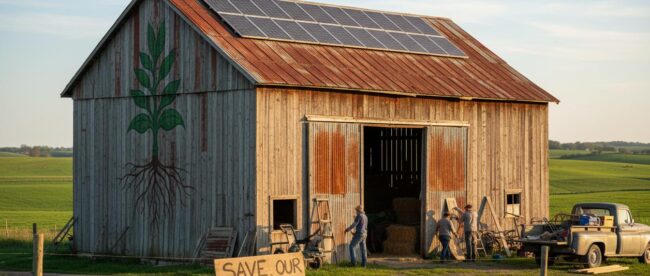
Across Aotearoa, weathered barns and woolsheds tell the story of our land. Many are tired, leaking, or half leaning—but they’re not done yet. If you want to save barn structures on your property, you can protect history, keep carbon locked in timber, and create useful new space without the price tag of a full new build. This guide shows you what “save barn” really means in New Zealand, how the process works, your options, the trade-offs, and the steps to get it right.
What is
“Save barn” is the decision to keep and make good an existing barn or rural shed instead of letting it fall down or sending it to the tip. In New Zealand, that can mean one or more of the following:
- Stabilising the frame and repairing the roof to keep weather out
- Full restoration to original appearance and function
- Adaptive reuse—turning the barn into a workshop, farm shop, event space, office, or accommodation
- Relocation—lifting and moving the barn to a safer or more useful spot
- Selective deconstruction and reuse of timbers and roofing, when full saving isn’t viable
Saving a barn sits at the crossroads of practical farming, heritage care, and sustainability. It must also respect New Zealand rules: the Building Act 2004 and Building Code for any structural work, district plan rules for heritage or rural zoning, and Heritage New Zealand Pouhere Taonga processes if the place is listed or pre-1900.
How it works
At its heart, a save barn project is a methodical repair and upgrade. You document what you’ve got, fix what’s broken, and adapt it to a clear purpose without losing the character that makes the building worth keeping.
Typical team
- Builder with rural or heritage experience
- Structural engineer (especially for bracing, foundations, and wind/seismic loads under NZS 3604)
- Heritage advisor or architect for listed places or careful fabric repair
- Pest/borer specialist and, if needed, asbestos assessor
- Electrician and plumber if you’re adding services
Save barn in 10 steps
- Initial check: Walk-around in dry weather. Note roof leaks, lean, rot, loose cladding, and unsafe areas.
- Purpose: Decide the end use—storage, animals, workshop, venue, or accommodation. This drives every other choice.
- Professional assessment: Get a builder and engineer to assess structure, foundations, wind exposure, and bracing.
- Consents strategy: Confirm what needs building consent or resource consent with your local council. If the barn or site is pre-1900 or listed, engage Heritage New Zealand early.
- Costing and staging: Price urgent weatherproofing first, then structural work, then fit-out. Stage if budget is tight.
- Stabilise: Shore up unsafe areas. Tarp or patch the roof to stop further damage.
- Structure and envelope: Repair or replace rotten posts, add bracing, re-pile if needed, re-roof with corrugated steel, and fix cladding. Ensure flashings and gutters manage water away from the base.
- Pest and hazards: Treat for borer, and handle lead paint or asbestos (e.g., old fibre-cement) using licensed pros.
- Services and compliance: Add wiring, lighting, drainage, ventilation, and fire safety as required by the Building Code for the chosen use.
- Finish and maintain: Choose durable finishes, set up a maintenance calendar, and insure the building for its new life.
Timeline and costs
Timeframes vary. A simple “keep it standing and watertight” job can be weeks. Full adaptive reuse may run months. Costs depend on condition, access, and scale. Savings often appear in reused structure and avoided new materials. Precise numbers need quotes; avoid guesswork until a builder and engineer have looked.
Funding and support
- Heritage EQUIP grants may help with seismic upgrades for eligible listed buildings.
- Many councils offer heritage funds or rates relief for listed heritage places.
- For farm businesses, talk to your accountant about treatment of capital works and GST; rules change and depend on use.
Types / examples
New Zealand’s rural buildings are varied. Knowing the type helps you plan the right “save barn” approach.
- Woolsheds: Timber-framed, high roofs, grating floors. Good candidates for workshops, event spaces, or farm museums.
- Hay barns and implement sheds: Open bays with pole frames. Often easy to re-roof and brace for long-life storage.
- Dairy sheds (older herringbone or walk-through): Concrete floors, service rooms. Suits conversion to storage or studio.
- Tobacco barns (Nelson/Tasman heritage): Ventilated timber structures that can become striking studios or galleries.
- Packhouses and cool stores (smaller, older): Large spans and robust envelopes—handy for community or commercial reuse.
- Hybrid “American barns”: Lofted interiors; often repurposed as accommodation or stables with minimal change.
Common save barn examples include: turning a woolshed into a wedding venue with upgraded bracing and fire exits; converting a hay barn into a machinery workshop with slab, power, and enclosed bays; or relocating a small shed uphill to avoid flooding and adding cyclone-rated roof fixings in high-wind zones.
Pros and cons
Benefits
- Embodied carbon wins: Reusing structure cuts material emissions.
- Character: Aged timbers and patina you can’t buy new.
- Cost control: Targeted repairs can be cheaper than a full new build of similar size.
- Faster starts: You can often stage work around seasons and cashflow.
- Waste reduction: Fewer skips, less landfill.
- Local goodwill: Heritage care strengthens community ties and tourism appeal.
Drawbacks
- Unknowns: Hidden rot, compromised joints, or past DIY can add cost.
- Compliance: Change of use (e.g., to venue or accommodation) triggers Building Code requirements.
- Layout limits: Posts and spans may restrict fit-out flexibility.
- Location: Flood or slip risks might force relocation or major site works.
- Ongoing care: Old buildings need regular maintenance to stay sound.
Save barn options compared
| Option | Typical intent | Upfront cost (relative) | Carbon footprint | Consent complexity | Timeframe | Main risks | Best for |
|---|---|---|---|---|---|---|---|
| Basic stabilise + re-roof | Keep weather out, stop deterioration | Low–Medium | Low | Low–Medium | Weeks | Hidden decay | Storage, farm use |
| Full restoration | Return to near-original form | Medium–High | Low | Medium (higher if listed) | Months | Authentic material sourcing | Heritage value |
| Adaptive reuse | New function (workshop, venue, accommodation) | Medium–High | Low–Medium | Medium–High | Months | Change-of-use compliance | Income generation |
| Relocation | Move to safer/better site | Medium | Low–Medium | Medium (transport permits) | Weeks–Months | Transport damage | Flood/slip risk sites |
| Selective salvage | Reuse timbers, roofing elsewhere | Low | Low | Low | Days–Weeks | Limited heritage outcome | Unsalvageable frames |
How to use or choose
Decide if saving is viable
- Structure: Are posts, beams, and joints mostly sound? If yes, save barn is promising.
- Foundations: Old piles that have sunk or rotted can be re-piled, but budget accordingly.
- Exposure: High wind zones require robust fixings, bracing, and detailing.
- Moisture: Sort drainage and spouting first; dry buildings last longer and cost less to keep.
- Access: Can trucks and a hiab reach the site for materials and lifting?
Match the barn to the use
- Storage or machinery: Keep it simple—re-roof, add bracing, secure doors, good lighting, slab if needed.
- Workshop: Insulate where sensible, ensure power supply, dust extraction, and fire safety.
- Venue or studio: Focus on egress, fire rating, accessibility, toilets, heating, and acoustic control.
- Accommodation: Expect a full Code-compliant build inside the shell; engage an architect early.
Materials and details that last
- Roofing: Corrugated steel with correct coatings for coastal or high-corrosion zones; cyclone washers in windy areas.
- Timber: Treat replacements to the right hazard class (e.g., H3.2 for exterior above ground, H5 for ground contact).
- Fasteners: Use stainless or hot-dip galvanised near the coast; avoid mixed metals that cause corrosion.
- Ventilation: Keep airflow in roof and wall cavities to prevent condensation.
- Water: Gutters, downpipes, and clear ground falls keep piles and posts dry.
Compliance essentials in New Zealand
- Building consent is usually needed for structural changes, re-piling, or change of use. Minor like-for-like repairs may be exempt—check before you start.
- Resource consent may apply if the barn is heritage listed or the district plan controls alterations.
- Pre-1900 sites can require an Archaeological Authority from Heritage New Zealand before any modification.
- Upgrades must meet relevant Building Code clauses for the new use (structure, moisture, fire, access, services).
Budget smart
- Do first what stops water: a sound roof and flashings protect every other dollar you spend.
- Stage work seasonally around farm operations and cashflow.
- Reuse: Clean and refix corrugated sheets where safe, mill salvaged farm timbers for trim, and repurpose hardware.
- Price risk: Keep a contingency for hidden damage—10–20% is common.
FAQ
Do I need consent to save barn buildings on my farm?
Often yes. Structural repairs, re-piling, re-roofing with bracing changes, or any change of use usually need building consent. Heritage listings or specific district plan rules can trigger resource consent. Call your council early.
Can I DIY a barn restoration?
You can do basic maintenance if it’s safe and lawful, but structural work and electrical/plumbing must be done or supervised by licensed pros. An engineer’s input is vital for bracing and wind/seismic performance.
What about earthquakes and wind?
Even in timber barns, connections matter. Expect added bracing walls, hold-downs, purlin/rafter fixings, and correct nailing patterns to meet NZS 3604 for your wind and earthquake zone.
How do I deal with borer and rot?
Replace severely damaged members. Treat the rest with approved preservatives. Improve ventilation and keep timber dry. Rot is a moisture problem first—fix leaks and ground drainage.
Is asbestos a risk in old sheds?
Yes. Old fibre-cement sheets, linings, or pipe lagging can contain asbestos. Get a survey and use licensed removal if present. Don’t cut or sand suspect materials.
Can I move a barn?
Yes. Barn relocation is common in New Zealand. You’ll need a mover, traffic management, oversize permits, route checks for bridges and power lines, and new foundations. Factor in consent at the new site.
How much does it cost to save barn structures compared with new builds?
It depends on condition and end use. Basic stabilisation can be relatively affordable; high-spec adaptive reuse can approach new-build costs but keeps character and embodied carbon. Get quotes after an assessment.
Are there grants for heritage barns?
Possibly. Heritage EQUIP supports seismic upgrades for eligible listed buildings. Councils often have heritage funds or rates relief. Ask your local authority and Heritage New Zealand.
What insurance should I carry?
Talk to your insurer before and after work. During construction you may need contract works cover; afterward, make sure the new use is declared so cover stays valid.
How do I maintain a saved barn?
Set a simple annual routine: clear gutters, check roof fixings, inspect posts and flashings, treat pests, repaint exposed timber/steel, and keep vegetation and ground levels away from cladding.
Will saving affect taxes for my farm business?
Potentially. Treatment of capital works, repairs, and GST depends on your structure and use. Rules change, so get advice from a New Zealand accountant who knows rural property.
Final thoughts
Choosing to save barn buildings is practical, not nostalgic. You keep a hardworking asset, avoid waste, and create something genuinely local. Start with a clear purpose, get the right advice, and fix weather and structure first. The rest becomes far simpler—and your barn gets a second life worthy of its first.