
Sistema containers: the New Zealand guide to smarter food storage
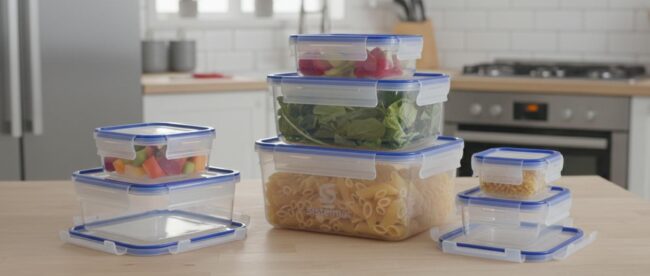
Open any Kiwi kitchen and you’ll spot them: clear boxes, blue clips, leftovers stacked like tidy Lego. Sistema containers have become part of daily life in Aotearoa—from school lunches and tradie smoko to bach pantries and meal prep. This guide cuts through the noise. You’ll learn what Sistema containers are, how the clip-and-seal works, the main ranges, when each is best, and how to choose the right set for your home without wasting money or cupboard space.
What is
Sistema containers are reusable food storage containers designed and manufactured in New Zealand. They’re known for clip-lock lids with integrated seals, modular shapes that stack cleanly, and easy-care plastics that go from pantry to freezer to dishwasher. Most are made from BPA- and phthalate-free polypropylene, with specialised lines for microwaving, lunch on the go, and pantry organisation. You’ll find them across NZ in supermarkets and homeware stores, and they’re built for the way New Zealanders actually cook, eat, and store food.
How it works
The appeal is in a simple, reliable seal. Most Sistema containers use a flexible seal built into the lid, plus side clips that lock down to create even pressure. That pressure helps keep air and moisture out, so food stays fresher for longer and liquids are less likely to leak during the commute.
Several lines add task-specific features:
- Microwave-ready lids with a pop-up steam vent for safer reheating.
- Removable dividers and inner trays that keep snacks and sauces separate.
- Modular footprints that nest and stack to save fridge and pantry space.
- Durable plastics with good clarity, so you can see what’s inside at a glance.
Care is straightforward: most Sistema containers are top-rack dishwasher safe, freezer safe, and suitable for reheating in the microwave when the vent is open or the lid is loosened. Always check the symbols on the base—different ranges are designed for different tasks.
Types / examples
The brand covers a lot more than sandwich boxes. Here are the lines Kiwis buy most often, with everyday uses that make sense in a New Zealand kitchen.
- Klip It and Klip It Plus: classic clip-lid storage for leftovers, chopped veg, cheese, and pantry items. Stacks well in crowded fridges.
- To Go (Bento, Salad, Snack Attack, Yoghurt): lunch and snack containers with sections, dressing pots, and cutlery for school and office days.
- Microwave range (Soup Mug, Noodle Bowl, Steamer, Plate): designed for safe, even reheating and quick meals. Vented lids reduce splatter.
- Ultra: premium clear containers that resist stains and odours more effectively, ideal for long-term fridge organisation.
- Renew: made using recycled food-grade plastic from production, a lower-impact choice for routine storage.
- Bake It / Pantry: larger, airtight containers sized for flour, sugar, pasta, cereal—great for keeping moths and moisture out at the bach or in humid months.
Popular picks by everyday task
- Meal prep for the week: Klip It Plus 1L–1.5L, Ultra for sauces and curries.
- Kids’ lunches: Bento Box or Snack Attack Duo to split fruit, crackers, and sandwiches.
- Office leftovers: Microwave Soup Mug or Noodle Bowl; vent before reheating.
- Freezer batch cooking: 1L–2L Klip It with headroom for expansion; label and date.
- Pantry tidy-up: Bake It / Pantry bins with scoops; standardise on one footprint to stack neatly.
Pros and cons
Pros
- Made in New Zealand with BPA- and phthalate-free materials.
- Reliable clip-and-seal helps reduce leaks and keep food fresh.
- Modular shapes that nest and stack to save space in small NZ kitchens.
- Microwave-safe options with vents for safer reheating.
- Wide size range—from snack pots to bulk pantry tubs.
- Easy to clean; most parts are top-rack dishwasher safe.
- Readily available across NZ at supermarkets and homeware retailers.
Cons
- Tomato-based sauces and turmeric can stain standard polypropylene; choose Ultra or pre-spray with oil if this bothers you.
- Not all containers are fully leakproof; for soups, pick leakproof or microwave-specific lines.
- Lids and bases are not always cross-compatible across different ranges or generations.
- Plastic can warp if placed near the dishwasher’s heating element; stick to the top rack.
- End-of-life recycling for rigid PP #5 varies by council; reuse as long as possible.
How to use or choose
How to choose the right Sistema containers
- Match the task: decide if it’s for pantry storage, school lunches, microwave reheating, or freezer batching.
- Pick the material/range: Microwave range for reheating; Ultra to resist stains; Bake It for dry goods; To Go for lunches.
- Size deliberately: choose depths that fit your fridge shelves and lunch bags. For leftovers, 700ml–1.2L works well; for bulk pantry, 3–7L.
- Plan a modular set: standardise on a few footprints so lids and stacking align. This prevents the avalanche cupboard problem.
- Check care symbols: ensure microwave, freezer, and dishwasher compatibility for how you cook and clean.
Step-by-step: safe microwave reheating
- Transfer food to a microwave-suitable Sistema container. Look for the microwave symbol on the base.
- Open the steam vent or loosen the lid clips to release pressure.
- Reheat in short bursts (30–60 seconds), stirring between bursts for even heat.
- Keep the container upright and use a plate underneath for easier handling.
- Let it rest for 30 seconds before opening to avoid steam burns.
Care and cleaning tips
- Dishwasher: top rack only. Keep lids away from the heating element.
- Stain prevention: a light spray of oil or a baking paper layer under tomato curries helps. Ultra resists staining better.
- Odour removal: soak in warm water with baking soda overnight; dry fully before storing.
- Freezing: leave headroom for expansion; label with contents and date.
- Storage: stack bases by size and file lids vertically so you can see them.
Comparison: popular Sistema ranges
| Range | Best for | Material | Seal & clips | Leakproof | Microwave use | Dishwasher safe | Notes |
|---|---|---|---|---|---|---|---|
| Klip It / Klip It Plus | Everyday leftovers, fridge, freezer | Polypropylene (BPA-free) | Integrated seal, side clips | Leak-resistant | Reheat with vented lid/loosened clips; check symbol | Top rack | Broad size range; stacks well |
| To Go (Bento, Salad, Snack) | Lunches and snacks | Polypropylene (BPA-free) | Clip lid; inner trays/pots | Leak-resistant; dressings in mini pots | Varies; many bases reheat-safe; check symbol | Top rack | Keeps foods separate; kid-friendly |
| Microwave (Soup Mug, Noodle, Steamer) | Reheating and quick meals | Microwave-suitable plastics | Vented lids; easy-grip | Designed for reheating, not transport of hot liquids | Yes, with vent open | Top rack | Great for office kitchens |
| Ultra | Long-term fridge storage; stain resistance | Premium clear plastic | High-quality seal, clips | Leak-resistant to leakproof depending on model | Varies; check symbol | Top rack | Clear, odour-resistant, durable |
| Renew | Lower-impact everyday storage | Recycled food-grade plastic (BPA-free) | Seal and clips like Klip It | Leak-resistant | Reheat with care; check symbol | Top rack | Uses recycled material from production |
| Bake It / Pantry | Dry goods and baking staples | Polypropylene (BPA-free) | Airtight lids; scoops in some models | Airtight for dry goods | Generally not for microwave | Top rack | Keeps pests and humidity out |
FAQ
Are Sistema containers BPA-free?
Yes. Sistema containers are made from BPA- and phthalate-free plastics. Check the packaging or base marking for confirmation on your specific item.
Can I microwave food in Sistema containers?
Many are suitable for reheating. Use ranges designed for the microwave, or open the vent/loosen the lid on compatible models. Always follow the symbols on the base and avoid cooking for long periods at high power.
Are they dishwasher safe?
Most Sistema containers are top-rack dishwasher safe. Keep lids and bases away from the heating element to prevent warping.
Do they leak?
Standard clip-and-seal lids are leak-resistant for everyday transport. For soups and saucy meals, choose leakproof or microwave-specific lines and keep the container upright.
Why do some foods stain the plastic?
Tomato, turmeric, and oily sauces can tint polypropylene. Choose the Ultra range for better stain resistance, or lightly oil the container before filling. Stains don’t affect food safety.
Can I freeze food in Sistema containers?
Yes. Leave headspace for expansion and label with the date. Most bases handle freezer use well; check the symbol to confirm.
How do I remove lingering smells?
Soak overnight in warm water with baking soda. Sun-drying on a windowsill also helps. Persistent odours usually fade with a few washes.
Are Sistema containers recyclable in New Zealand?
Many are polypropylene (#5). Kerbside acceptance for rigid #5 varies by council, and most services focus on #1 and #2. Prioritise long-term reuse, then check your local council or drop-off options.
Where can I buy Sistema containers in NZ?
They’re widely available at major supermarkets and homeware retailers nationwide, as well as online. Look for multipacks during sales to build a consistent set.
Are they safe for baby food?
Yes, when you choose microwave- and freezer-suitable models, cool hot foods properly, and reheat with care. Use smaller sizes for single portions.
Any tips for avoiding the messy “container drawer”?
Standardise on two or three sizes, store lids vertically in a file or bin, and stack bases by footprint. Replace the oddballs with matching pieces over time.
Final thoughts
Sistema containers earn their place in New Zealand kitchens because they solve practical problems: keeping food fresh, stopping leaks, and making small spaces work harder. Choose a range that matches how you cook and carry food, build a modular set you’ll actually use, and treat it well. You’ll waste less, spend less, and open the fridge to neat rows instead of chaos—very Kiwi, very satisfying.