
rv super centre: The New Zealand Guide to Buying, Servicing, and Outfitting Your Motorhome
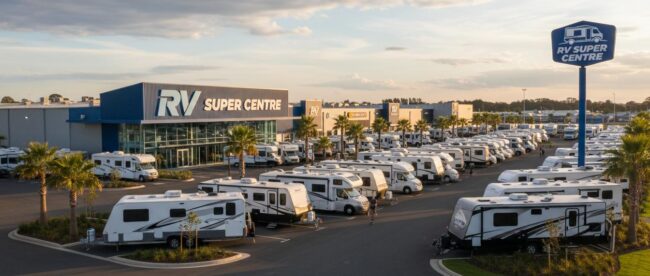
Craving a smoother RV life? A well-run rv super centre can save hours of research, multiple trips across town, and guesswork on compliance. This guide cuts through the noise so you know exactly what an rv super centre offers in Aotearoa, how they operate, and how to choose one that treats you and your rig right.
What is
An rv super centre is a one-stop store that sells, services, and upgrades motorhomes, campervans, and caravans in a single location.
In New Zealand, a typical rv super centre combines multiple services under one roof. You can browse vehicles, buy accessories, book installations, sort repairs, and get practical advice on local compliance. Many also sell ex-rentals, offer trade-ins, and handle insurance repairs.
Core services you’ll usually find
- Vehicle sales: new, used, and often ex-rental motorhomes and campervans
- Workshop: mechanical servicing, repairs, and annual checks
- Installations: solar, lithium batteries, inverters, awnings, heaters, tow bars
- Compliance help: Electrical Warrant of Fitness (EWoF) coordination, gas certification via licensed tradespeople, and guidance on self-containment rules
- Parts and accessories: fridges, toilets, water systems, satellite TV, Wi‑Fi, GPS, leveling gear
- Aftercare: warranty claims, recalls, and insurance repairs
Because an rv super centre centralises these tasks, it’s easier to plan a build, keep maintenance on schedule, and stay road-legal.
How it works
What to expect from first visit to handover
- Discovery: You outline your travel style, budget, and must-haves (e.g., freedom camping, off-grid power, family bunks).
- Options: The rv super centre shortlists vehicles or upgrade paths and shows live demos where possible.
- Quoting: You receive a written quote for the vehicle or installation with parts, labour, and timelines.
- Booking: A confirmed slot for workshop time; seasonal peaks (summer) can book out weeks ahead.
- Install/Service: Qualified technicians complete the work and arrange any required inspections.
- Handover: You get a walkthrough, paperwork (e.g., EWoF tag, gasfitting certificate), and usage tips.
- Aftercare: Warranty support, tweaks, and reminders for future checks.
Buying vs upgrading at an rv super centre
If you’re buying, you’ll likely see finance options, trade-in appraisals, and insurance add-ons. If you’re upgrading, plan for a day (or more) in the workshop depending on scope—solar and battery systems often need a full day; diesel heaters and plumbing jobs can run longer.
Helpful NZ compliance touchpoints
- WOF vs COF: Most motorhomes under 3,500 kg use a Warrant of Fitness. Heavier vehicles need a Certificate of Fitness from approved stations.
- Electrical Warrant of Fitness: Caravans and many motorhomes need a current EWoF for safe connection at holiday parks. Typically valid for four years when maintained correctly.
- Gas certification: Fixed gas appliances and pipework must be installed and certified by a licensed gasfitter.
- Self-containment: Rules are changing nationally. Many centres can advise and may work with authorised inspectors. Always check current local bylaws and the latest national requirements before freedom camping.
Typical timelines
- Minor accessories (e.g., reversing camera): half day
- Solar with MPPT + battery monitor: 1 day
- Lithium power upgrade + inverter-charger: 1–2 days
- Diesel heater install: 1 day
- Water system upgrade: 1 day
Types / examples
Common rv super centre models in NZ
- Full-service hubs: Large sites with sales yards, a broad accessories store, and full workshops. Common in Auckland and Christchurch.
- Accessory-led centres: Focus on parts and installs, with limited or no vehicle sales. Good for power, heating, and tech upgrades.
- Ex-rental specialists: Sell refurbished ex-fleet motorhomes with service history and practical layouts.
- Dealer-aligned centres: Tied to specific brands; deep product knowledge and access to OEM parts.
- Online-first with pickup: Order parts online, collect in store, and book installs digitally.
- Mobile or satellite workshops: Smaller regional operations that travel or run compact bays.
Where they fit in the market
| Option | What it is | Best for | Typical services | Potential drawbacks |
|---|---|---|---|---|
| rv super centre | One-stop sales, service, and accessories | Busy owners wanting convenience and guidance | Vehicle sales, installs, compliance help, aftercare | Peak-season wait times; premium on labour |
| Brand dealership | New vehicles of one or two marques | Brand-loyal buyers seeking OEM fit | Warranty service, recalls, factory parts | Less choice across brands; accessory range may be narrower |
| Local workshop | Independent RV/mechanical specialist | Repairs, quick jobs, personalised service | Servicing, electrical, gas (if licensed) | Limited retail stock; complex builds may take longer |
| Online retailer | E-commerce parts and accessories | DIY owners, quick price checks | Fast shipping, broad catalogue | No fitting included; returns and compatibility on you |
Pros and cons
Why an rv super centre can be worth it
- Convenience: One booking covers parts, labour, and certification steps.
- System design: Integrated power and plumbing installs that match your travel style.
- Compliance confidence: Guidance on WOF/COF, EWoF, gas, and self-containment.
- Aftercare: Easier warranty follow-up and troubleshooting.
- Resale: Documented upgrades and servicing help value.
Trade-offs to consider
- Cost: Labour rates can be higher than a small workshop.
- Wait times: Summer queues; plan ahead for holiday travel.
- Brand focus: Some centres prioritise certain makes or parts ranges.
- Up-sell risk: Stick to a clear brief and written quotes.
How to use or choose
Step-by-step: choosing the right rv super centre
- Define your goal: Buy, upgrade, repair, or all three. Write a short brief and budget range.
- Check credentials: Look for licensed electricians/gasfitters, and experience with your vehicle type.
- Compare quotes: Ask for itemised parts and labour. Confirm warranty terms on both.
- Assess lead times: If you’re travelling soon, timeline trumps a small price difference.
- Inspect workmanship: Ask to see recent installs—tidy cable runs, proper fusing, labelled circuits.
- Confirm compliance: Who arranges EWoF, gas certs, and any inspections? Get it in writing.
- Plan future-proofing: Choose systems that can scale (e.g., lithium-ready chargers, spare solar capacity).
- Test handover quality: Will they demo gear, set up apps, and supply documentation?
Key criteria to evaluate
- Scope: Does the rv super centre cover sales, service, and accessories—or only some?
- Stock depth: Popular batteries, panels, regulators, and plumbing parts on hand reduce delays.
- Transparency: Fixed-price packages, clear hourly rates, and documented change orders.
- Support: Warranty processing in NZ, phone/email aftercare, and reasonable turnaround times.
- Facilities: Easy parking for larger rigs, safe workshop access, and clean handover areas.
- Local knowledge: Practical advice on South Island winterising, alpine travel, and freedom camping rules.
Buying tips specific to NZ
- Weights and licensing: Many motorhomes sit close to 3,500 kg. Check payload with water, bikes, and passengers. Confirm licence class and RUC implications if applicable.
- Power design: For DOC sites and off-grid trips, size your battery and solar for winter sun hours, not just summer.
- Heating: Diesel heaters are efficient; LPG needs cylinder refills. Ask for real-world consumption figures.
- Moisture: Inspect thoroughly for damp—NZ’s climate is unforgiving. Use a moisture meter if possible.
FAQ
What makes an rv super centre different from a standard dealership?
A dealership focuses on selling and servicing one or two brands. An rv super centre layers in a full accessories store, multi-brand installs, compliance coordination, and broader aftercare—often for a wide range of RV types.
Can an rv super centre handle my Electrical Warrant of Fitness?
Many coordinate inspections with licensed inspectors and ensure your fittings meet NZ standards. Ask whether they issue the EWoF on site or book an external inspector, and confirm the validity period.
Do they install solar and lithium systems?
Yes—this is core business for most. Expect options like MPPT controllers, DC-DC charging, battery monitors, and inverter-chargers. Insist on correct cable sizing, fusing, and ventilation, with diagrams provided at handover.
What about gas certification?
Any fixed gas installation must be done and certified by a licensed gasfitter. An rv super centre typically schedules the gasfitter and supplies your certification label and paperwork at handover.
Can they help with self-containment?
They can advise on layouts, fixed toilets, and tank sizing, and may work with authorised inspectors. Because the national rules are evolving, always confirm the current requirements for the areas you plan to visit.
Is buying ex-rental from an rv super centre a good idea?
It can be. You get a practical layout and documented maintenance. Check mileage, service history, moisture readings, and tyre age. Budget for personalisation (e.g., upholstery, solar, extra batteries).
Are rv super centres cheaper than buying online?
Parts can be similar in price. The value is in system design, safe installation, and aftercare. For complex upgrades, an rv super centre often beats DIY when you account for time, tools, and risk.
How far ahead should I book?
In summer, popular rv super centre workshops can be booked out two to four weeks. For larger jobs, book as soon as dates are firm—especially before school holidays.
Do they service caravans as well as motorhomes?
Usually yes. Check that the workshop handles caravan braking systems, chassis checks, and EWoF requirements for your setup.
What documents should I receive after work is done?
Itemised invoice, warranty details, user manuals, wiring/plumbing diagrams (for major installs), EWoF sticker/tag if applicable, gasfitting certificate for gas work, and any test results (e.g., battery capacity or leak-down tests).
Final thoughts
If you value convenience, integrated planning, and reliable aftercare, an rv super centre is hard to beat. Make them earn your trust: ask for clear quotes, solid timelines, tidy workmanship, and full documentation. Do that, and you’ll spend less time juggling appointments—and more time chasing horizons.