
NZ school holidays: simple guide to dates, planning, and making the most of the break
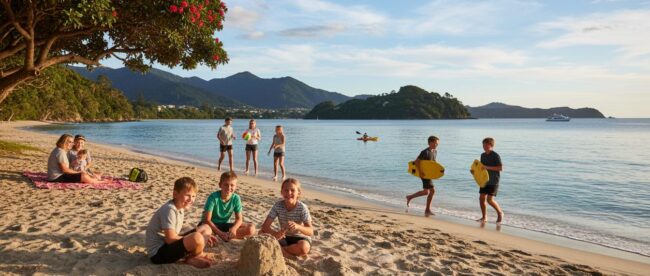
NZ school holidays shape travel plans, childcare, and family routines across the country. If you know how the calendar works, you can book smarter, avoid rush hours, and keep kids busy without burning through your budget. This guide explains what the holidays are, how they’re set, when they usually fall, and how to plan well—whether you’re arranging leave, booking a trip, or choosing a holiday programme.
What is
NZ school holidays are the official breaks between the four school terms for state and state‑integrated schools in New Zealand. There are three short breaks (about two weeks each) during the year and one long summer holiday at the end of the year.
The Ministry of Education sets national term dates each year for state and state‑integrated schools. Most schools follow these dates. Independent (private) schools can set their own calendars, and early childhood services are not bound by school terms.
In broad strokes, the year looks like this:
- Term 1: starts late January or early February, runs through March and into April
- April school holidays: around two weeks
- Term 2: late April to early July
- July school holidays: around two weeks
- Term 3: mid-July to late September
- Spring holidays: late September to early October, around two weeks
- Term 4: October to mid-December
- Summer holidays: mid-December to late January or early February (about 5–7 weeks)
How it works
Here’s the engine room behind NZ school holidays:
- The Ministry of Education publishes term dates annually for state and state‑integrated schools.
- Schools must be open for a set number of half‑days each year (historically 380 for state and state‑integrated schools). This requirement shapes how long terms and holidays can be.
- Public holidays close schools nationwide, including regional anniversary days.
- State and state‑integrated schools are closed on Easter Tuesday (a school holiday, not a public holiday for most workers).
- Boards may schedule teacher‑only days for staff training. These can change the exact days students attend around the margins of the published dates.
- Secondary schools often end earlier for seniors because of NCEA exams in November and December. Junior students usually continue until closer to Christmas.
Independent schools can run different calendars—often with slightly longer terms and different break patterns. Early childhood education (ECE) centres set their own opening dates and may stay open through term breaks, closing mainly on public holidays and over a shorter summer period.
Types / examples
Types of schools and calendars
- State and state‑integrated: follow the national term dates, with small local variations.
- Kura kaupapa Māori: typically align with the state calendar but may set local days.
- Independent (private): may set different term lengths and holiday timings.
- Home education: parents set their own schedules but must meet legal requirements for education at home.
- ECE (kindergartens, daycares): not tied to NZ school holidays; check centre calendars.
Holiday periods at a glance
| Holiday period | Typical months | Usual length | Weather snapshot | Travel demand | Good for |
|---|---|---|---|---|---|
| April break (after Term 1) | April | ~2 weeks | Early autumn; cooler mornings, settled days in many regions | Moderate | Road trips, museums, short hikes, late‑season beaches up north |
| July break (after Term 2) | July | ~2 weeks | Mid‑winter; snow in alpine areas, crisp elsewhere | High around ski fields | Skiing and snowboarding, hot pools, indoor attractions |
| Spring break (after Term 3) | Late Sept–early Oct | ~2 weeks | Changeable; longer daylight, windy patches common | Moderate | Zoos, gardens, cycling trails, off‑peak travel deals |
| Summer holidays (end of Term 4) | Mid‑Dec–late Jan/early Feb | ~5–7 weeks | Warm to hot; classic beach weather | Very high over Christmas–New Year | Camping, beaches, festivals, family reunions |
Real‑world examples
- Auckland families often book January beach weeks early, especially around Northland, Coromandel, and Bay of Plenty.
- Canterbury and Otago see peak July demand for ski weeks at Mt Hutt, Cardrona, and The Remarkables.
- Wellington’s spring wind makes indoor science centres and Te Papa popular in the September/October break.
Pros and cons
Travelling during NZ school holidays
- Pros:
- Kids are free from classes and homework.
- Attractions run full programmes; seasonal events are on.
- Friends and whānau are often available at the same time.
- Cons:
- Prices rise for flights, accommodation, and rental cars.
- Popular spots book out; traffic is busier at changeover weekends.
- Queues at theme parks, museums, and ski fields.
Staying local and using holiday programmes
- Pros:
- Structure for children while parents work.
- Skill‑building (sports, coding, arts) and social time.
- Some programmes are OSCAR‑approved, so eligible families can apply for subsidies through Work and Income.
- Cons:
- Popular days sell out early.
- Transport and hours may not fit every parent’s schedule.
- Costs can add up across two weeks.
How to use or choose
Plan your NZ school holidays in 7 steps
- Check the official term dates for your children’s schools and note any teacher‑only days.
- Map public holidays and regional anniversary days that sit inside or beside the breaks.
- Decide your priority: travel, local activities, or a mix. Set a budget ceiling early.
- Book high‑demand items first: flights, ferries, accommodation, ski passes, or camps.
- Fill gaps with day trips, free local events, and at‑home projects to balance costs.
- Arrange childcare or holiday programmes if you’re working. Confirm hours, locations, and pickup plans.
- Share the plan with kids. A visible calendar helps manage expectations and reduces last‑minute stress.
Choosing a holiday programme
If you need care during NZ school holidays, use this quick checklist:
- OSCAR approval and subsidies: Ask if the programme is OSCAR‑approved and whether you might qualify for the OSCAR Subsidy (usually for 5–13‑year‑olds, or up to 14 with a disability) through Work and Income.
- Hours and flexibility: Do they offer early drop‑off or late pickup? Are there single‑day options?
- Location: Close to home or work, safe access, parking or public transport nearby.
- Staffing and safety: Ratios, first‑aid certification, police vetting, and clear behaviour policies.
- Programme quality: A mix of active, creative, and quiet time; age‑appropriate activities.
- Cost transparency: Fees, what’s included (lunches, trips), and refund policies for sick days.
- Inclusion: Support for allergies, additional needs, or cultural practices.
Travel tips for peak periods
- Book early for summer and July ski weeks—especially inter‑island ferries and Queenstown/Wānaka stays.
- Travel mid‑week if you can. Saturday changeovers are busiest and priciest.
- Look north for warmer April trips, south for crisp winter adventures.
- Pack layers year‑round; NZ weather turns quickly, even in spring and summer.
- Use cancellation‑flexible rates if plans may shift with work or health.
Saving money without skimping on fun
- Blend free and paid: beaches, bush walks, bike tracks, and council pools with one “big ticket” day.
- House swaps or camping cut accommodation costs in summer.
- Grab family passes and off‑peak time slots where offered.
- Batch lunches and snacks; food spends jump during outings.
FAQ
When are NZ school holidays?
There are three two‑week breaks—around April, July, and late September/early October—and a long summer holiday from mid‑December to late January or early February. Exact dates change each year, so always check your school’s calendar.
Are dates the same across New Zealand?
Yes for state and state‑integrated schools, with small local variations (for example, teacher‑only days). Independent schools may differ.
Do early childhood centres follow school terms?
Not necessarily. Many ECE centres operate year‑round and close mainly on public holidays and for a shorter summer break. Ask your centre for their calendar.
Are schools closed on Easter Tuesday?
State and state‑integrated schools are closed on Easter Tuesday. It is a school holiday but not a public holiday for most workplaces.
How long is the summer break?
Typically five to seven weeks, from around mid‑December to late January or early February. Secondary students sitting NCEA may finish earlier; juniors finish later.
Can I take my child out of school during term time?
Regular attendance is expected. If you need time away, talk to your school in advance. Unjustified absences may be followed up by the school or attendance services.
Do public holidays affect NZ school holidays?
Yes. Schools close on national public holidays and on regional anniversary days. Some public holidays fall inside the school breaks; others shorten a school week.
What about teacher‑only days?
Schools may schedule teacher‑only days for professional development. These are not teaching days for students, so plan childcare if needed.
How far ahead should I book travel?
For summer and July ski periods, book as early as possible—months ahead for the best choice and price. For April and spring breaks, several weeks ahead usually suffices, but popular spots can still sell out.
Are there subsidies for holiday care?
Eligible families can apply to Work and Income for the OSCAR Subsidy for approved out‑of‑school and holiday programmes (generally for children aged 5–13, or up to 14 with a disability). Check current criteria and rates directly with Work and Income.
Do private schools have different holidays?
Often, yes. Independent schools set their own calendars. Check the school’s website or office for exact dates.
Any tips for avoiding crowds?
Travel mid‑week, choose early or late in the holiday window, and target less‑famous spots (for example, Tasman’s quieter beaches instead of the most popular ones, or smaller ski fields on weekdays).
Final pointers
NZ school holidays arrive four times a year and follow a familiar rhythm. Mark the dates early, decide what matters most for your whānau, and book the essentials before everyone else does. A simple plan—blending one or two standout days with affordable local adventures—keeps costs steady and spirits high.