
Sandals for New Zealand Life: How to Choose the Right Pair for Beach Days, Bush Tracks, and the Daily Grind
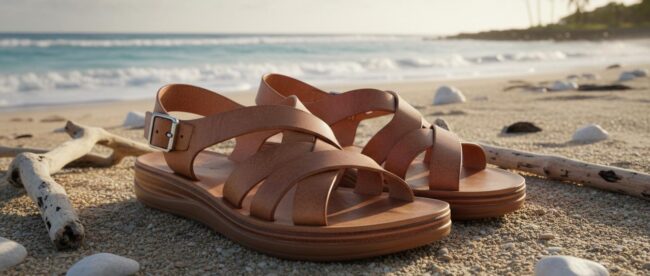
Kiwi summers hit different. One minute you’re on hot sand, the next you’re ducking into a bush track or grabbing a Flat White in town. The humble pair of sandals has to keep up. This guide explains what sandals are, how they work, which types suit Aotearoa’s conditions, the real pros and cons, and how to pick and use them so your feet stay happy from Piha to Queenstown.
What is
Sandals are open footwear with a sole fixed to the foot by straps, bands, or a single toe post. They keep your feet cool while giving enough grip and cushioning to walk comfortably. In New Zealand, you’ll hear people say jandals for classic flip-flops, but sandals cover a much broader range: slides for the pool, sport sandals for river crossings, leather sandals for dressing up, and orthotic sandals for all-day support.
Unlike closed shoes, sandals prioritise breathability and quick drying. The best pairs balance airflow with structure so your foot doesn’t slop around on wet decks, boat ramps, or steep bush trails.
How it works
The magic of comfortable sandals is in their anatomy and materials. Each part does a specific job to keep you steady and pain-free:
Straps and closures
- Toe post or thong: Minimal feel for beach sandals and jandals; quick on-off but little lateral support.
- Wide forefoot strap: Common in slides; suits pool and casual wear.
- Multi-strap with heel strap: Seen in hiking sandals; locks the foot in for uneven ground.
- Closures: Hook-and-loop (Velcro) for quick adjustment, buckles for a secure set-and-forget fit, elastic gussets for slip-on ease.
Footbed and midsole
- Footbed shape: Neutral, contoured, or orthotic. Contoured and arch support sandals help reduce strain on the plantar fascia and Achilles.
- Cushioning: EVA foam feels light and springy. PU foam lasts longer and resists compression set.
- Heel cup and toe spring: A shallow heel cup stabilises your foot; a gentle upward curve at the toe encourages smooth steps.
Outsole and grip
- Rubber compounds: Sticky rubber grips wet timber and rock; harder rubber lasts longer on rough tracks.
- Lug pattern: Shallow siping helps on boat decks; deeper lugs add bite on gravel and clay.
- Flex grooves: Let the forefoot bend naturally so you don’t overwork your calves.
Materials that matter
- Leather: Breathable, moulds to your feet, dresses up well. Needs care in salt water.
- Synthetics (nylon webbing, TPU): Durable, dry fast, great for river and beach use.
- Recycled plastics and plant-based fibres: Growing options for eco-minded buyers.
Breathability and water shedding
Open designs let heat and moisture escape. Water-friendly sandals use hydrophobic straps, drain ports, and quick-dry footbeds so you’re not squelching after a splash through a tidal stream or a summer downpour.
Types / examples
Different sandals shine in different places. Here’s how common styles fit into everyday life around Aotearoa.
Everyday and casual
- Flip-flops (jandals): Simple toe-post design; perfect for the beach, around the bach, and the campsite shower block.
- Slides: One wide strap over the forefoot; easy for the pool, gym, and quick errands.
- Leather sandals: Strappier styles for casual Fridays, summer barbecues, and dining out.
Active and outdoors
- Sport sandals: Multi-strap with heel support; good for coastal walks, river crossings, and travel.
- Hiking or tramping sandals: Deeper tread and toe protection; handy on dry, easy-grade tracks or as a hut backup.
- Waterproof sandals: Synthetic straps and rubber outsoles that grip on wet rocks and boat ramps.
Specialised
- Orthotic sandals: Built-in arch support and firm heel cup for long days on your feet.
- Wide fit sandals: Extra room through the forefoot to prevent rubbing and hot spots.
- Dress sandals and wedges: Elevated look for events; choose options with secure straps for city walking.
- Kids sandals: Toe bumpers and Velcro closures for playground chaos and beach missions.
Quick comparison
| Type | Best for | Water friendly | Arch support | Pros | Watch-outs |
|---|---|---|---|---|---|
| Flip-flops / jandals | Beach, showers, quick trips | Excellent | Low | Light, cheap, fast drying | Poor lateral support; not for distance |
| Slides | Pool, gym, casual wear | Good | Low–Medium | Easy on-off, adjustable straps | Can slip when wet if strap is loose |
| Sport sandals | Day walks, travel, city exploring | Good | Medium | Secure fit, versatile | Heavier than casual options |
| Hiking / tramping sandals | Mixed terrain, hut wear | Good | Medium–High | Grippy outsoles, protective | May hold small stones; socks help |
| Leather dress sandals | Work, events, evenings out | Poor | Medium | Breathable, smart look | Needs care; avoid salt water |
| Orthotic sandals | All-day comfort, plantar support | Varies | High | Reduces foot fatigue | Bulkier, pricier |
Pros and cons
Why sandals are great in NZ
- Breathability in humid summers; no more sweaty sneakers on 28°C afternoons.
- Quick drying after beach dips, river paddles, or a surprise southerly shower.
- Easy on-off at the bach, marae, or friend’s place.
- Lightweight for travel and summer road trips.
- Versatile styles for work, play, and everything in between.
Where sandals fall short
- Less protection against debris, sharp shells, and cold winds.
- Basic jandals offer weak arch and ankle support over distance.
- Leather and salt water don’t mix without proper care.
- Open designs expose skin to sun—watch those tan lines and apply SPF.
How to use or choose
Step-by-step: Find the right fit
- Measure your foot late in the day when it’s slightly swollen.
- Stand on the insole or a size template; leave 8–12 mm in front of the toes and a few millimetres at the heel.
- Adjust straps so the foot is held firm without pinching. You should wiggle toes, but the heel shouldn’t lift.
- Walk on different surfaces. Check for rubbing at the toe post, instep, and heel strap.
- Test wet grip if you’ll use them near water—lightly wet the outsole and step on smooth concrete or timber (carefully).
- Match support to use: flat footbeds for short casual wear; contoured or orthotic sandals for full days and long walks.
Choosing sandals for New Zealand conditions
- Beach and boats: Water sandals or jandals with grippy rubber outsoles. Synthetics beat leather here.
- Urban commuting: Sport sandals with moderate arch support and a secure heel strap handle wet pavements and bus sprints.
- Light tramping and hut life: Hiking sandals with deeper tread; consider toe protection on rocky tracks.
- Work and dress: Leather sandals with a contoured footbed. Look for underfoot cushioning and a stable heel (avoid wobbly high wedges).
- Foot health: Orthotic sandals with firm arch support if you have plantar fasciitis or flat feet. Seek a podiatrist’s advice for persistent pain.
- Wide or narrow feet: Choose wide fit sandals or adjustable multi-strap styles to tune the fit.
Materials and sustainability
- For salt and sun: Synthetic straps, EVA or PU midsoles, and non-marking rubber outsoles last longer around the coast.
- For style and breathability: Full-grain leather or nubuck feels great but needs drying and conditioning.
- For lower footprint: Recycled webbing, bio-based foams, and repairable designs reduce waste. Check local repair services before binning worn pairs.
Care and maintenance
- Rinse after beach days to remove salt and sand that break down adhesives.
- Air-dry away from direct heat; hot car dashboards can warp footbeds.
- Use leather conditioner sparingly on leather straps; avoid soaking.
- Deodorise synthetics with a mild soap-and-water scrub; baking soda helps with smells.
- Inspect tread; replace sandals when the outsole turns slick—NZ’s wet tiles are unforgiving.
FAQ
Are sandals good for walking long distances?
Yes—if you choose sport or orthotic sandals with solid arch support, heel straps, and decent cushioning. Basic jandals are fine for short strolls but not for long walks on city pavements or coastal paths.
Can I tramp in sandals?
For easy-grade tracks and dry summer days, hiking sandals can work. On technical terrain, scree, snow, or heavy mud, boots are safer and warmer. Many trampers carry sandals as hut or river-crossing footwear.
What’s the difference between jandals, slides, and sandals?
Jandals are toe-post flip-flops. Slides have a single strap over the forefoot. Sandals is the umbrella term covering all open footwear with straps, including those two.
Do sandals need arch support?
If you’re on your feet for hours or have foot pain, yes. Arch support sandals reduce strain on the plantar fascia and calves. For beach-only wear, flat footbeds are usually fine.
How do I stop sandals from slipping when wet?
Look for rubber outsoles with siped patterns, textured footbeds, and adjustable straps. Keep the tread clean—algae and sunscreen residue make outsoles slick.
Are leather sandals OK at the beach?
They’ll cope with the odd splash, but salt dries and cracks leather over time. If they get wet, rinse with fresh water, air-dry, and condition. For regular beach use, pick synthetic water sandals.
What size should I buy in New Zealand?
Stick with your usual NZ/AU size and check each brand’s size chart. Fit varies by last shape, so try pairs on late in the day and leave a little toe room.
Can I wear sandals to work?
Many NZ offices accept smart leather sandals in summer. Choose closed-heel or well-structured styles with a neat finish. Follow your workplace dress code and safety rules.
How do I break in new sandals without blisters?
Wear them for short sessions first, adjust straps carefully, and keep feet dry. A dab of anti-chafe balm on hot spots helps while the straps soften.
What about socks with sandals?
Functionally fine, especially for hut life or early-morning walks. If you’re going for style, keep socks clean, thin, and intentional.
Final tip
Match your sandals to your day. Beach to café? Water-friendly slides or jandals. City to bush edge? Sport sandals with grip and support. Dress event? Leather with a contoured footbed. Get the fit right, care for them, and your sandals will carry you through New Zealand’s long, lively summers without missing a step.