
Le Creuset in New Zealand: A Practical Guide to Choosing, Using, and Loving This Iconic Cookware
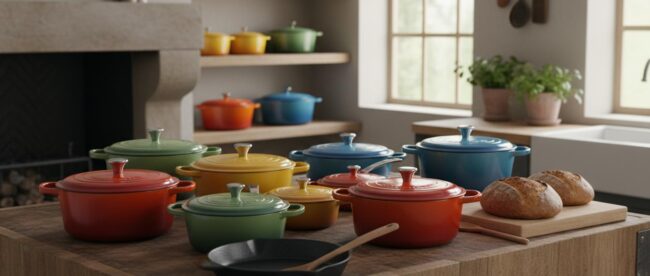
If you’ve ever lifted the lid on a heavy, colourful pot and caught a wave of rich stew or slow-braised lamb shanks, you already understand the appeal of le creuset. This guide explains what the brand is, how its cookware works, the main types available in Aotearoa, and how to choose pieces that suit New Zealand kitchens, hobs, and cooking styles. You’ll also find care tips, a clear pros-and-cons rundown, and quick answers to the questions Kiwis ask most.
What is
Le Creuset is a French cookware maker, founded in 1925, best known for enamelled cast iron pots and pans—especially the round “French oven” often called a Dutch oven. The brand also produces toughened non-stick pans, stainless steel, and stoneware. The hallmark is even heat, durability, and bold colour options that go from stovetop to table.
In New Zealand, le creuset is sold via the official NZ website and authorised retailers. The ranges are compatible with gas, electric, ceramic, and induction hobs commonly found across the country, and they carry generous warranties.
How it works
Enamelled cast iron
Cast iron is dense and holds heat remarkably well. Once preheated, it distributes warmth steadily across the base and up the sides, creating a stable cooking environment. The vitreous enamel coating seals the iron, so there’s no seasoning required and no metallic taste. The enamel also resists stains and allows you to cook acidic foods (tomato, wine, citrus) without worry.
Toughened non-stick
Le Creuset’s toughened non-stick pans use a hard-anodised aluminium body with a durable non-stick surface. Aluminium heats quickly and evenly; the coating reduces sticking and makes cleanup simple. This is ideal for eggs, pancakes, and delicate fillets where easy release matters.
Stainless steel (multi-ply)
Stainless steel ranges typically sandwich an aluminium core between layers of steel. The aluminium speeds up and evens out heat transfer, while the stainless surface is robust, induction-friendly, and great for high-heat searing and deglazing.
Stoneware
Stoneware excels in the oven. It distributes heat gently, helping bakes and roasts cook evenly. Glazed stoneware is also handy for marinating and serving, and it moves neatly from fridge to oven to table.
Types / examples
Signature enamelled cast iron
- Round French oven (commonly 20–28 cm; approx. 2.4–6.7 L): the all-rounder for soups, stews, sourdough, and roasts.
- Oval casserole: fits longer cuts like lamb shoulders or whole fish.
- Braiser: wider base and lower sides; perfect for browning then slow braising.
- Skillet/fry pan and grillit: high-heat searing, steaks, chops, and charred veg.
Toughened non-stick
- Fry pans and chef’s pans: everyday eggs, pancakes, fried rice, and quick sautés.
- Saucepans with lids: creamy sauces and reheating without sticking.
Stainless steel
- Sauté pans and stockpots: fast response and crisp searing with easy deglaze.
- Multi-ply saucepans: controlled simmering and reduction work.
Stoneware
- Rectangular roasters and dishes: lasagne, crumbles, roasted veg.
- Ramekins and baking sets: desserts, puddings, and prep bowls.
Kettles and accessories
- Stovetop kettles: enamelled steel to match your cookware.
- Silicone tools, trivets, and cleaning kits: protect enamel and extend life.
Pros and cons
Advantages
- Excellent heat retention and even cooking, especially in cast iron.
- Oven-to-table design with durable enamel and vibrant colours.
- Works on NZ gas, electric, ceramic, and induction hobs.
- No seasoning required on enamelled pieces; non-reactive with acidic foods.
- Long warranties and wide availability of spare parts (e.g., knobs, lids).
Limitations
- Weight: cast iron is heavy, which can be a factor in small kitchens or for big sizes.
- Price: a premium investment compared with basic cookware.
- Care: avoid thermal shock; enamel can chip if knocked or dropped.
- Non-stick coatings require sensible heat and the right utensils to maximise life.
How to use or choose
Choosing the right le creuset for your home
- Hob type: all le creuset cast iron and stainless ranges work on induction; check the base diameter to match your zone size for best performance.
- Household size:
- 1–2 people: 20–22 cm round French oven (about 2–3.3 L), 24 cm skillet.
- 3–4 people: 24–26 cm French oven (about 4.2–5.3 L), 26 cm skillet or braiser.
- 5+ people or batch cooking: 28 cm French oven (about 6.7 L) or an oval for roasts.
- What you cook most:
- Slow braises, bread, soups: enamelled cast iron.
- Eggs, pancakes, delicate fish: toughened non-stick.
- Searing and pan sauces: stainless steel.
- Lasagne, crumbles, roast veg: stoneware.
- Weight and storage: if lifting is a concern, consider a braiser (wider, lower) or smaller sizes; store with felt pan protectors to protect enamel.
- Colour: choose a shade you’ll love seeing on the bench—Cerise, Flame, Marseille, Caribbean, Meringue, and Satin Black are perennial favourites.
Comparison of le creuset ranges
| Range | Core material | Best for | Heat sources | Oven safe to | Non-stick surface | Dishwasher safe | Induction | Typical warranty |
|---|---|---|---|---|---|---|---|---|
| Enamelled Cast Iron | Cast iron with enamel | Braising, stews, bread, roasting | Gas, electric, ceramic, induction | Approx. 260°C+ (check lid knob) | Enamel (not PTFE) | Yes (hand wash recommended) | Yes | Often lifetime (limited) |
| Toughened Non-Stick | Hard-anodised aluminium | Eggs, pancakes, delicate fish | Gas, electric, ceramic, induction (flat bases) | Up to approx. 260°C | Yes (PTFE-based) | Yes (gentle cycle) | Selected models | Long-term (see product) |
| Stainless Steel (Multi-ply) | Stainless with aluminium core | Searing, deglazing, sauces | Gas, electric, ceramic, induction | Up to approx. 260°C | No (polished steel) | Yes | Yes | Often lifetime (limited) |
| Stoneware | Glazed stoneware | Baking, roasting, serving | Oven, microwave (no direct heat) | Up to approx. 260°C | Glazed surface | Yes | No | Multi-year (see product) |
Step-by-step: First use and everyday care for enamelled cast iron
- Wash and dry: Rinse your new pot, then dry thoroughly.
- Preheat gently: Use low–medium heat for a few minutes; avoid empty high-heat blasts.
- Add oil: A thin film protects the enamel and improves browning.
- Bring food to temperature: Pat proteins dry and avoid overfilling to keep searing effective.
- Cook with patience: Let the pot’s heat retention do the work; turn down once hot.
- Use the right tools: Silicone, wood, or heat-safe plastic protect the enamel.
- Cool before cleaning: Avoid thermal shock; soak if there’s stuck-on food.
- Clean smart: Warm water, mild detergent, and a soft brush. For stains, a paste of baking soda and water helps. Rinse and dry fully.
FAQ
Is le creuset worth it for New Zealand kitchens?
If you cook often and value consistent results, le creuset is hard to beat. The cookware performs well on induction (common in new builds), survives years of use, and looks good enough to live on the hob or benchtop.
Can le creuset go in the oven?
Yes. Enamelled cast iron, stainless steel, and toughened non-stick are oven-safe to high temperatures. The main caveat is lid knobs—phenolic knobs have a lower limit than metal ones. Check your specific product guidance.
Does enamelled cast iron need seasoning?
No seasoning is required. The enamel is non-reactive and ready to cook from day one. Lightly oil the cooking surface for best results.
Is it safe for acidic foods like tomato or wine?
Yes. The enamel lining prevents reactions, so tomato sauces, citrus, and wine-based braises are fine.
Is le creuset compatible with induction?
Enamelled cast iron and stainless steel pieces are induction-ready. Toughened non-stick models with magnetic bases also work; check the product page for confirmation.
How do I choose the right size French oven?
For 1–2 people, 20–22 cm is versatile. For 3–4, 24–26 cm suits most meals. For bigger families or batch cooking, 28 cm provides volume without crowding.
Can I put it in the dishwasher?
Most pieces are dishwasher safe, but hand washing preserves the finish longer—especially for enamelled cast iron and non-stick.
What if the enamel chips?
Minor exterior chips are usually cosmetic. Avoid using chipped areas on food-contact surfaces. Warranty covers manufacturing defects; accidental damage is typically excluded. Check with le creuset NZ support for assessment.
Why is my food sticking?
Common causes are too little oil, too high heat too soon, or trying to flip food before it releases. Preheat gently, oil lightly, and let a crust form before turning.
How do I remove stains or burnt-on bits?
Soak with warm water and a drop of detergent. For tougher marks, simmer water with a spoon of baking soda for a few minutes, cool, then clean with a soft brush. Avoid metal scouring pads.
How it works in practice: tips for NZ homes
On induction
- Match pot size to the induction zone for steady heating.
- Use lower power than you think—cast iron amplifies and evens the heat.
- If your hob pulses at low settings, preheat a touch longer, then reduce.
On gas
- Centre the flame under the base; avoid flames licking up the sides of enamelled pieces.
- Use a simmer ring for delicate sauces.
In small kitchens or baches
- Pick multi-taskers: a 24–26 cm French oven plus a 26 cm skillet covers most cooking.
- Store lids inverted with paper or felt protectors to save space and protect enamel.
Buying and aftercare in New Zealand
Purchase through the official le creuset NZ site or authorised retailers to ensure genuine products, full warranty support, and access to spare parts (knobs, handles, and lids). Keep receipts for warranty claims and follow the care guide included with each item. If you’re gifting, register the product online so the recipient has documentation.
Key takeaways
- Le creuset combines performance, durability, and style—ideal for everyday cooking and weekend projects.
- Choose your range by what you cook most: cast iron for slow and steady, non-stick for delicate release, stainless for responsive searing, and stoneware for baking.
- Match size to household needs and your hob; start low on heat, and care for enamel to keep it looking sharp.